
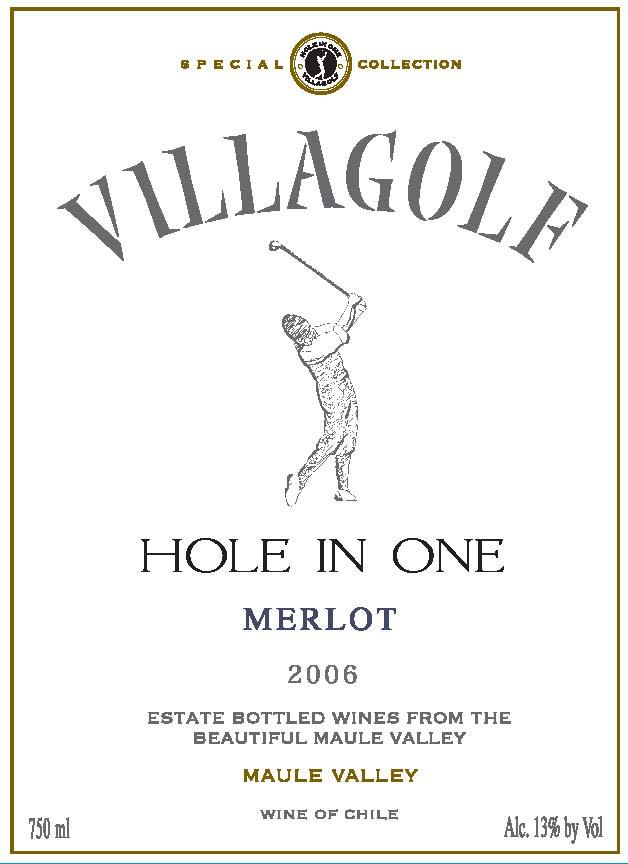
2006 Maule Valley Merlot
The 2006 Hole In One Merlot from the Maule Valley is a captivating red wine that showcases the exceptional qualities of this elegant varietal. It presents a medium-bodied profile, striking a harmonious balance between richness and approachability. The acidity is bright and lively, adding a refreshing touch to the palate, while its fruit intensity is prominent, with delightful notes of dark cherries and plums that dance gracefully on the tongue. The tannins are notable yet finely structured, enhancing the wine's smooth texture without overpowering its fruit-forward character. This Merlot is bone dry, making it a versatile choice that pairs beautifully with various dishes, from hearty pastas to grilled meats, ensuring every sip is a rewarding experience.
The 2006 Hole In One Merlot from the Maule Valley is a captivating red wine that showcases the exceptional qualities of this elegant varietal. It presents a medium-bodied profile, striking a harmonious balance between richness and approachability. The acidity is bright and lively, adding a refreshing touch to the palate, while its fruit intensity is prominent, with delightful notes of dark cherries and plums that dance gracefully on the tongue. The tannins are notable yet finely structured, enhancing the wine's smooth texture without overpowering its fruit-forward character. This Merlot is bone dry, making it a versatile choice that pairs beautifully with various dishes, from hearty pastas to grilled meats, ensuring every sip is a rewarding experience.


